


Gastritis is a common disease that affects both adults and children.The treatment of inflammation of the gastric mucosa should be comprehensive: it includes medicines recommended by the doctor, physical therapy and a healthy lifestyle.Dietary nutrition plays a leading role in the treatment of pathology - a gastritis diet can smooth out unpleasant symptoms and prevent further deterioration of the patient's condition.
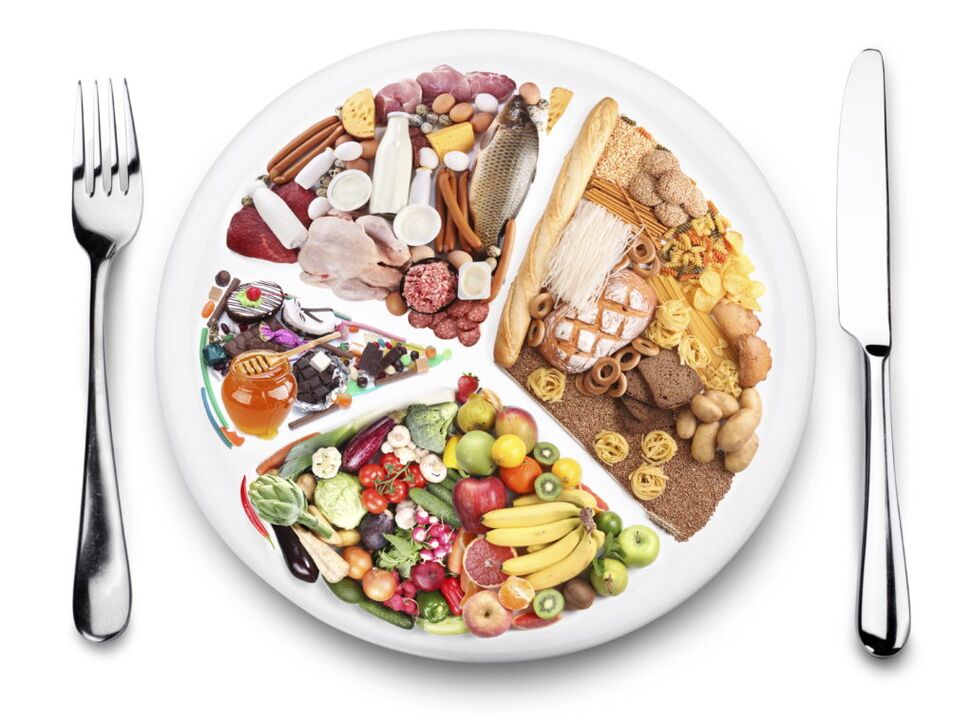
Nutrition for gastritis: basic principles
A diet is a special diet.It includes foods, foods, drinks that are gentle on the gastric mucosa and are able to adjust the intensity of gastric juice secretion.
If gastritis has not yet led to pathologies of the stomach wall and occurs with low intensity, a balanced diet is sufficient to overcome the disease.
The gastritis diet is not just a list of permitted and prohibited foods.
This is a special approach to nutrition, which means following important principles:
- Food restriction in the first two days of the acute stage of the disease.Some doctors recommend completely abstaining from food and fasting during the first hours of an exacerbation.Cold, weak tea and non-carbonated mineral water are allowed.This approach allows the stomach to "rest" after digesting food and restore its functionality.
- From the second day of the exacerbation, the diet includes liquid oatmeal, jelly, low-fat mashed potatoes with water and soft-boiled eggs.
- During the day, you need to eat fractionally - in small portions.The optimal diet is 5-6 meals every 3-4 hours.You should not increase the number of "approaches" and take long breaks between them.You shouldn't eat in the evening either - the last meal should be 3 hours before going to bed.
- Drink liquids (tea, fruit juices, water) at least half an hour after a meal.Water reduces the concentration of gastric juice, thereby making digestion more difficult.You may drink a glass of still water before a meal.
- If possible, eat unsalted foods and try to cook without salt.
- Single-component foods are preferred for gastritis, in which several products are not mixed at the same time.Food should be simple and healthy so that the stomach is not overloaded.
- When eating, you must thoroughly chew each bite and each spoonful - the food is already pre-processed in the oral cavity, and the stomach copes with digestion more easily.
- Dry food and snacks on the go or in a hurry are strictly prohibited.
- In acute conditions, the ban applies to all raw vegetables and fruits.
- The temperature of the food should be comfortable;hot or cold foods irritate the stomach even more.
- It is better to prepare food for up to 2 days in case of gastritis.If food is stored for a long time, its nutritional value is lost and most of the useful vitamins are destroyed.
- Prepared food should only be stored in the refrigerator and heated to a comfortable temperature before consumption.
- For cooking, use only fresh products purchased from trusted retail stores.Otherwise, food poisoning with severe poisoning can be added to gastritis.
- Give preference to products without preservatives, dyes, harmful food additives and flavor enhancers.
Patients with gastritis should not give up physical activity.On the contrary, moderate exercise, swimming and yoga help speed up the digestion of food.Special attention should also be paid to a healthy lifestyle - do not smoke, do not drink alcoholic beverages, follow a daily routine.
What can you eat if you have gastritis?
Any diet, including gastritis, should provide the body with sufficient nutrients and energy, should be comprehensive and rational.
The diet for acute diseases has many restrictions, but the list of products is usually extensive.
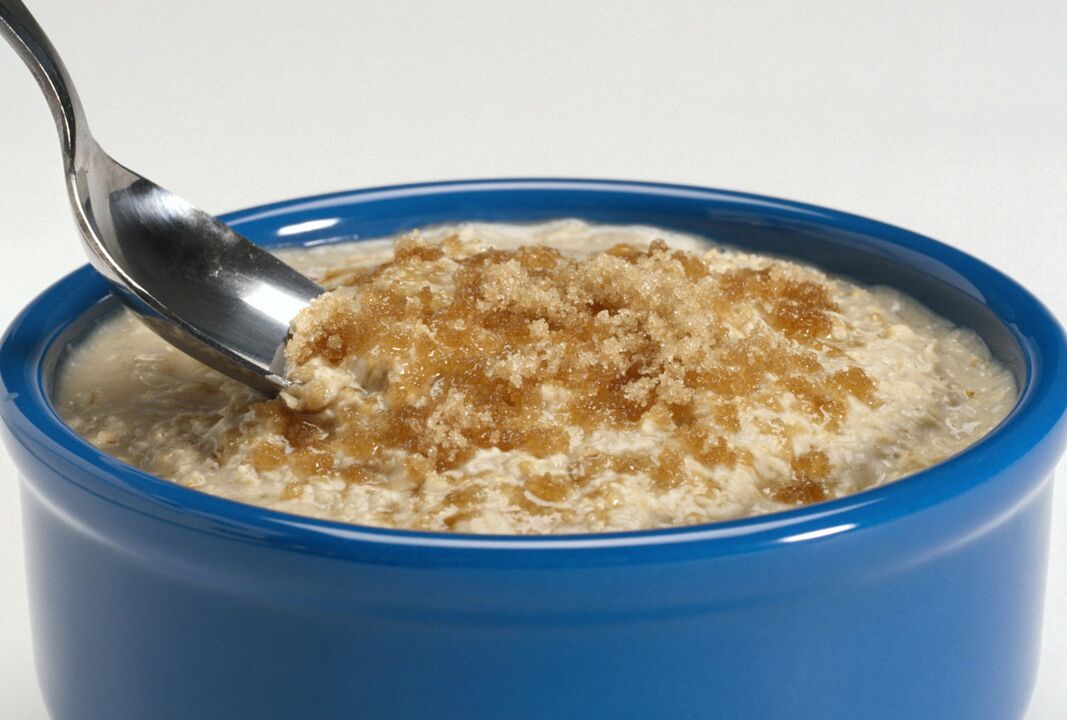
Porridge
It is considered the most useful product for patients with gastritis.Regardless of the form of the disease, everyone should start their morning with porridge.They are rich in carbohydrates, provide the body with energy and microelements, and improve the functioning of the stomach and intestines due to their fiber content.
- Oatmeal in the form of flakes is the 1st dish on the list of foods approved for the treatment of gastritis.The liquid texture of porridge cooked in water or milk helps relieve stomach cramps and relieve inflammation.Oatmeal is eaten as a side dish or dessert, with the addition of sugar, permitted fruits and dried fruits.
- Semolina - boils quickly, has a slimy texture, promotes the accelerated breakdown of carbohydrates, fats and proteins.
- Millet.Millet porridge is rough even after cooking, so it's worth taking it in small quantities, and if you have hyperacid gastritis, it's worth avoiding.
- Rice is a tender grain that, after cooking, forms a mucus that coats the stomach wall.Porridge made from pureed rice can be consumed in case of exacerbation of gastritis with low and high acidity.If the disease is accompanied by constipation, you should not eat rice.
- Barley porridge coats the stomach lining well.But you need to prepare it correctly - boil it in water, wait until the grain is completely boiled, while maintaining the liquid consistency of the dish.
- Buckwheat is a panacea against high acidity.Buckwheat is healthy when cooked in the form of milk soup;rich in protein and iron.
- Wheat porridge is allowed in the remission stage of the disease, as hard grains are poorly digestible and irritate the stomach.When cooking, the porridge is completely boiled and has a slimy consistency.
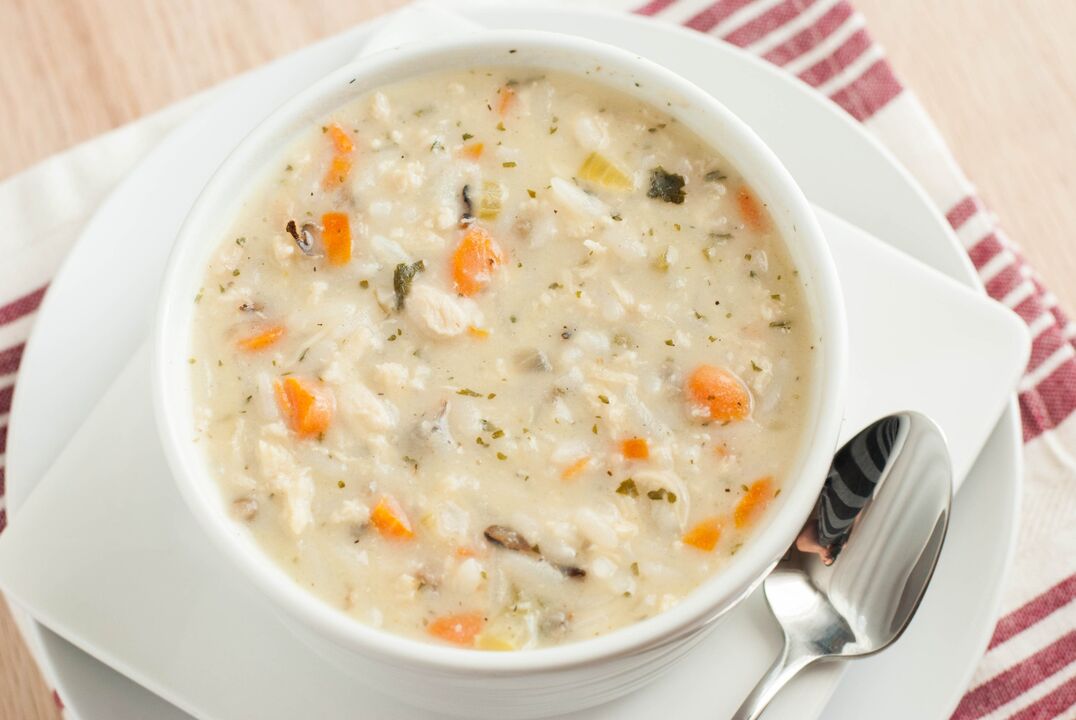
First courses for the treatment of gastritis
The soups included in the diet should be cooked in weak broth.Bones, fatty meat and spices are not used during cooking.Chop the soup ingredients very finely, ideally puree them.You can add fried wheat flour to make the food thicker.Soups made from oatmeal and rice flakes with the addition of vegetable oil, but without butter, are slimy.
What to eat for the first course of gastritis:
- Rice and milk puree soup with vegetable soup;
- Potato soup with carrots and olive oil;
- Rice slimy soup with lean meat and parsley;
- Chicken soup with carrots, potatoes and dill;
- Pumpkin puree soup with water or vegetable soup;
- Low-fat fish soup from perch with parsley and carrots;
- Borscht with beef broth - boil the beets and add them to the dish after cooking.
If you use your imagination and combine foods allowed in gastritis, you can make a variety of soups - tasty and healthy.
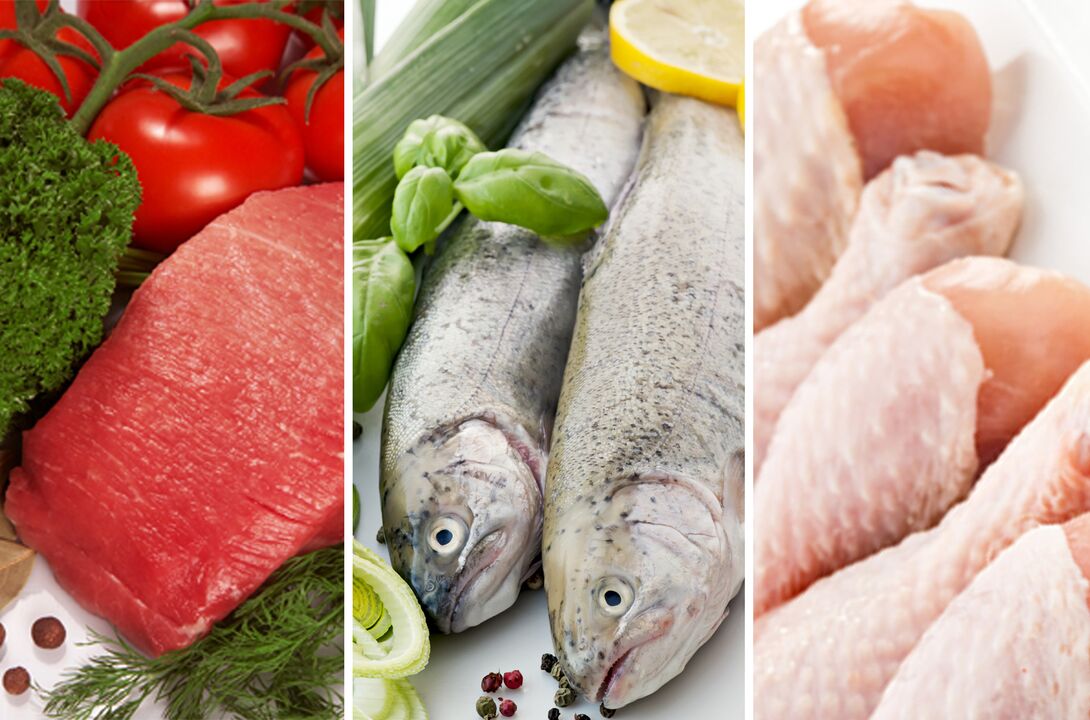
Fish and meat for gastritis
Fish is considered the body's main source of protein;moreover, its meat can be quickly digested and does not overload the digestive system.Omega-3 unsaturated fatty acids restore damaged gastric epithelial tissue and act as antioxidants.
The benefit of fish for gastritis depends on its fat content and the way it is prepared.Only low-fat fish can be consumed: pollock, hake, perch, navaga, sea lemon and flounder.The product should only be eaten after heat treatment, with the exception of frying.The fish can be steamed or cooked in a slow cooker, but it can also be used to make steamed fish fillets, meatballs, souffles and fish soup.
Salted fish is prohibited in case of gastritis, but in the remission phase the consumption of small amounts of herring is allowed only at home.In this case, you can independently control the amount of salt in the product and it will not harm your stomach.
Meat is a heavy product and difficult for the body to digest.But moderate dietary meat dishes help restore the stomach lining due to the protein supply.Allowed meats include rabbit, turkey, chicken and beef.But with one condition: the product must be low-fat and not fried.Meat is better cooked or steamed before eating;you can eat fried meat products during the remission phase.It is advisable to grind the meat into minced meat - so it is digested faster - and use it to make slices, meatballs, zraz, quenelle, meatballs.
Doctors advise not to mix meat with other foods, otherwise the stomach will not be able to handle the food.
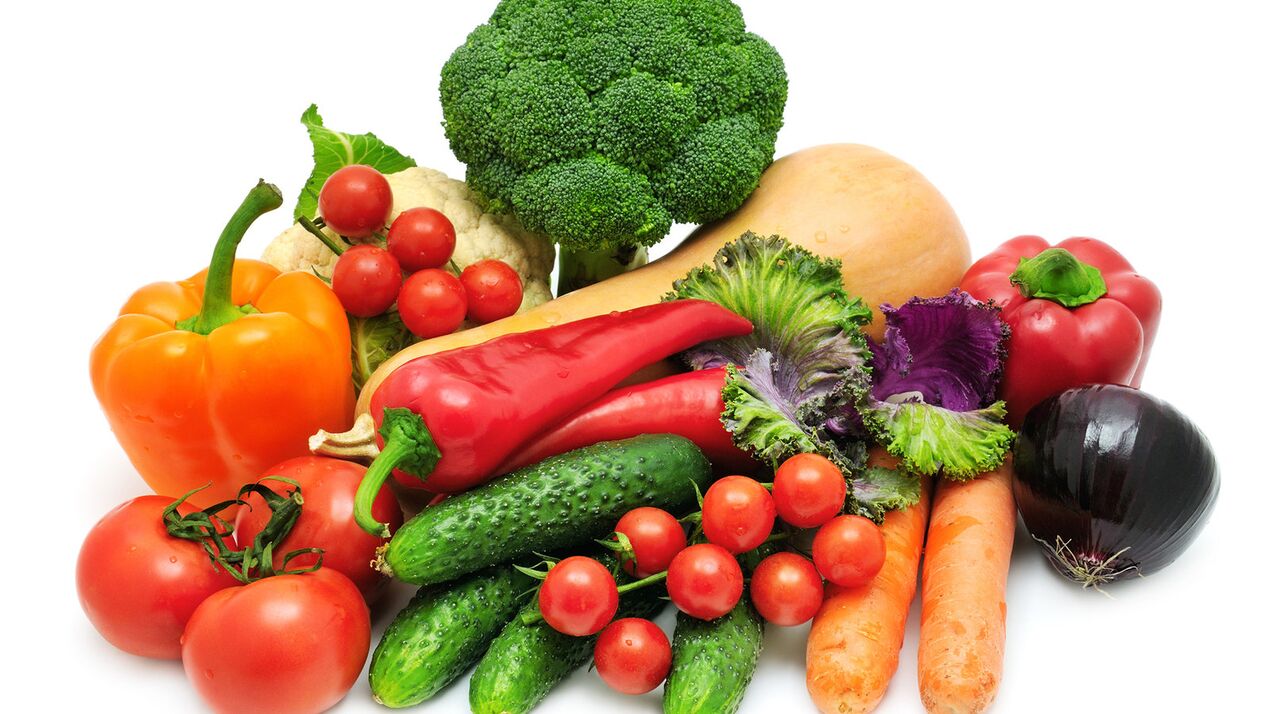
Vegetables
Raw vegetables should only be eaten during the period of remission of the disease.At the same time, gastroenterologists advise you to keep a food diary, in which you can record the body's reaction to each type.Vegetables should not contain coarse fibers that irritate the stomach wall.It should be boiled or steamed.
What to eat in case of gastritis:
- Orange and red vegetables - pumpkin, zucchini, carrots, yellow peppers, yellow tomatoes, beets and red potatoes;
- Green vegetables - Brussels sprouts, asparagus, bell peppers, peas and spring onions;
- White and purple - eggplant, cauliflower, parsnips and potatoes.
Green vegetables should be limited in gastritis with high acidity.In addition to worsening the pathology, you can also eat peeled and grated cucumbers.Not only soups can be made from vegetables, but also delicious purees, soufflés, side dishes, stews and casseroles.
Fruits, berries, melons
"Fruit" list of what you can and can't eat for gastritis,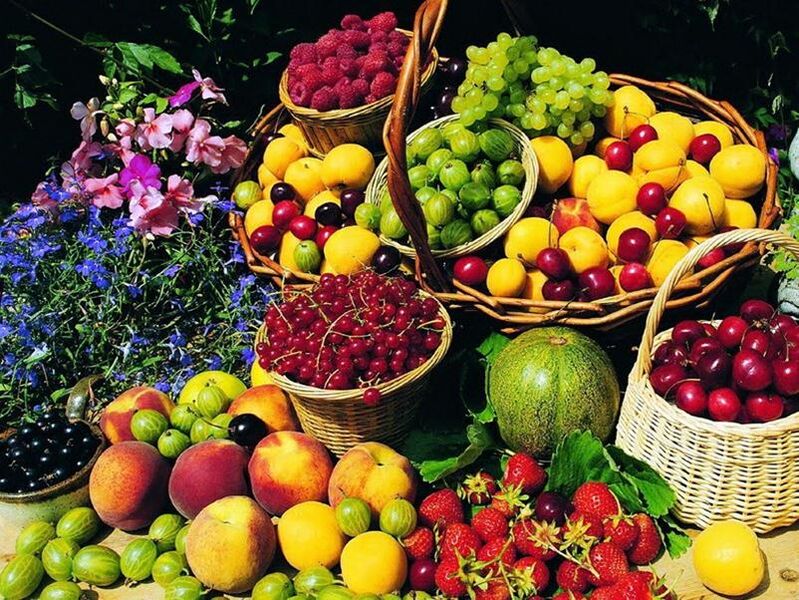 contains the following fruits:
- Apple.For any stomach acid, buy only sweet varieties and eat without skin or seeds.Baked apples are considered a diet food - they contain a large amount of vitamins and pectin, which improve digestion and improve health.
- Banana.Universal product for any form of gastritis.However, in the acute stage, you should not eat more than one banana per day: half in the morning and half in the evening.Only fruits with a light yellow skin are suitable for eating - overripe and green bananas can cause difficulty and discomfort in the stomach.
- Pear.It is considered a harmless and beneficial product for the digestive system.They normalize bowel function and remove toxins.
- Watermelon and melon.Small amounts of melon can be included in the diet, but not early varieties.Only those fruits that are sold before the end of August are suitable for food - they contain less nitrates.
- Raspberry.You can consume it in moderate quantities in ground form;especially useful for reducing stomach acidity.Berries make up for the lack of B vitamins and minerals.
- Cherries are allowed for any type of stomach disease.
All fresh berries and fruits contain acid, which can irritate the stomach lining.The following list contains the safest fruits.But it is better if they undergo heat treatment before being included in the diet.
The berries can be used to make delicious fruit drinks, jellies, preserves, and bake pears and apples.Pathologies with insufficient secretion are an exception - these patients can eat citrus fruits, berries and fruits raw.In order to avoid fermentation, it is better to eat the fruits separately from the first and second courses.
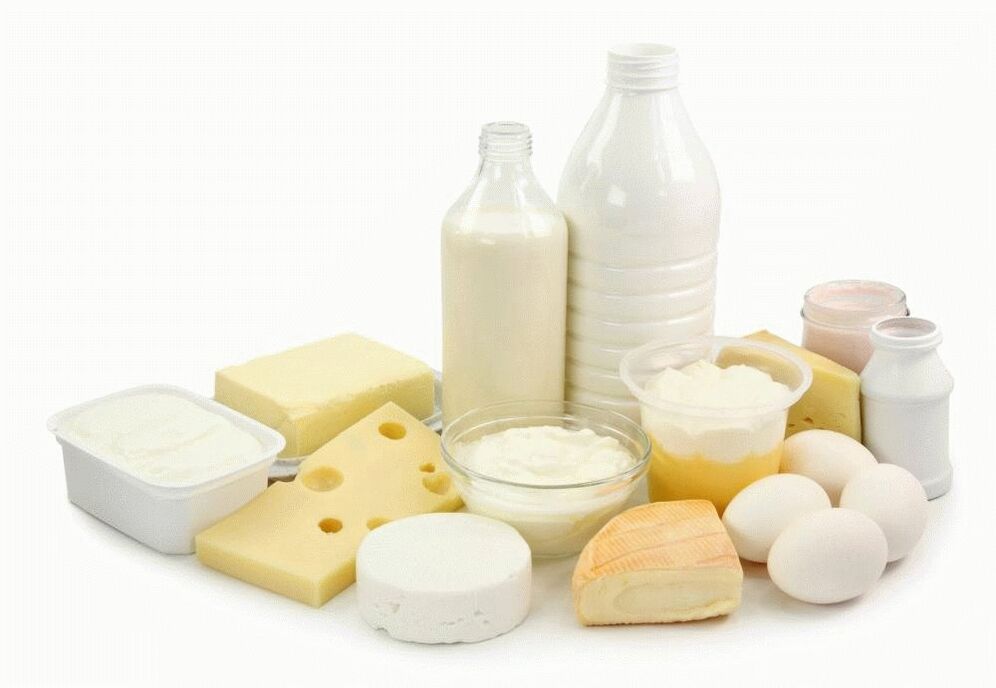
Milk and eggs
Dairy products should be included in the gastritis diet.Whole milk as an independent drink is consumed in moderation - it is difficult to break down and takes a long time to digest.It is better to add it to tea, porridge and soups.Goat's milk will be useful for gastritis.It is believed that it can relieve inflammation of the internal organs.
Cottage cheese also has a good effect.It is used to make casseroles, oven-baked cheesecakes and loose dumplings.If you wish, you can eat fresh cottage cheese - just rub it through a fine sieve.
Hard cheese – mild and unsalted – is allowed in minimal portions.Allowed products include fermented baked milk and low-fat sour cream, yogurt, and acidophilus.
Eggs are made into omelets, steamed, boiled, but not hard-boiled, and no more than one egg per day.
Flour and sweets
Biscuits and stale white bread have a good effect on the gastric mucosa.You can soak the rusks in weak tea.You can add sugar-free, chocolate-free cookies or sugar-free rolls to your diet every other day.Pasta and vermicelli can be eaten as a side dish.
Allowed sweets:
- honey;
- semolina puddings;
- Homemade sweet fruit jam;
- Cottage cheese souffle;
- Jelly from natural fruits;
- Non-acidic dried fruits soaked in warm water.
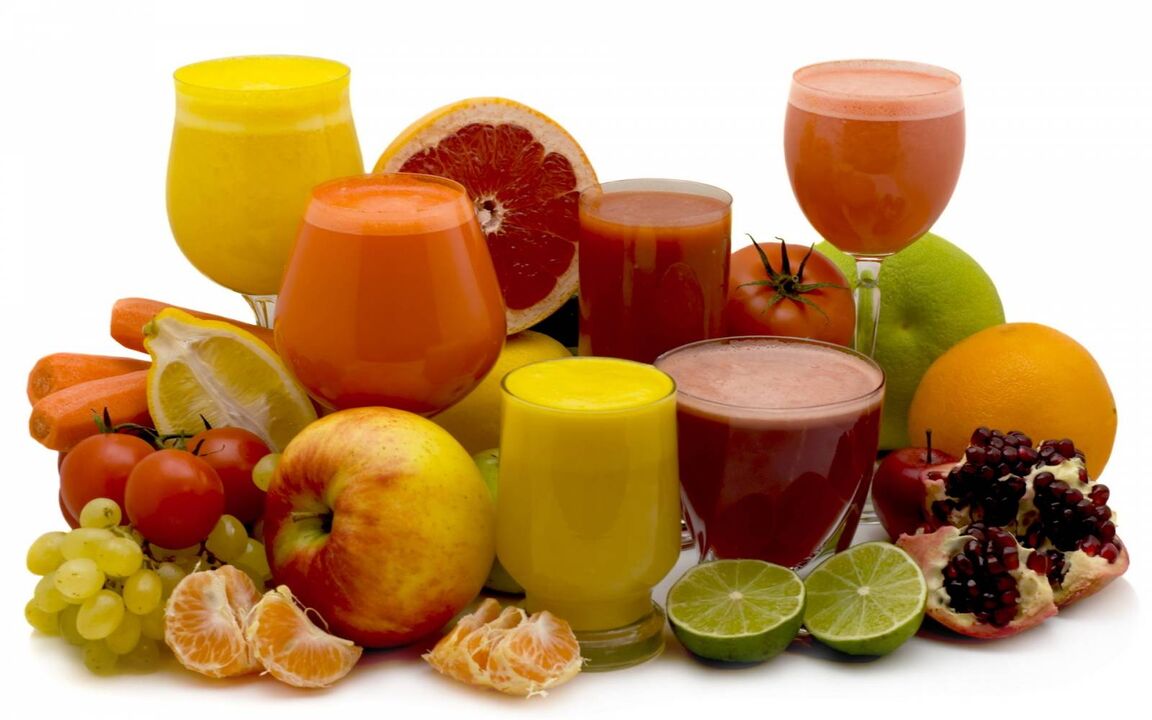
Drinks
In case of gastritis, the following fruit and vegetable juices are allowed: sweet apple, cherry, pear, peach, cabbage, tomato and potato.Fruit juices should be diluted with cold water and drunk warm.
Rosehip decoction, green tea, weak black tea with milk, compote, non-carbonated mineral water, jelly are useful for stomach upsets.
What not to do in case of gastritis
A properly structured diet to treat inflammation includes avoiding foods that irritate the stomach wall, make digestion difficult, and cause excessive fermentation.In case of any form of gastritis, the following are prohibited:
- Rye and freshly baked bread;
- French fries;
- All strong fatty broths;
- Okroshka;
- Classic borscht with tomatoes and fried;
- fried dishes with meat and fish;
- Smoked meats, sausages and frankfurters;
- Fatty fish, including canned;
- Spicy salty hard cheeses;
- Glazed cottage cheese;
- Sour cream and high-fat cream;
- Ice cream;
- Cookies and cakes;
- Grapes and juice thereof;
- Cabbage;
- Turnips and radishes;
- Onion;
- All kinds of mushrooms;
- legumes;
- Swedish;
- Canned, pickled vegetables and pickles;
- Coffee - brewed and instant;
- Strongly brewed tea;
- Soda and bread kvass;
- Chocolate and chocolate candies;
- Chicory drinks;
- Alcohol;
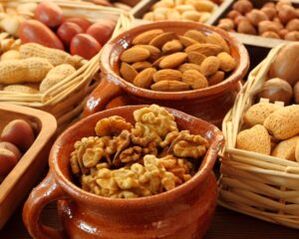
- Nuts and seeds;
- Ginger and hot spices;
- All kinds of sauces, mayonnaise, mustard, horseradish
- Pork fat;
- Margarine, fat and salted butter.
When preparing the diet, it is absolutely necessary to carry out diagnostics to determine the acidity and secretory function of the stomach.In addition to general dietary recommendations, nutrition for gastritis with high and low acidity can differ significantly.
Diet number 1
This is the diet for gastritis with high acidity.Its purpose is to protect the mucous membrane from mechanical and chemical irritant effects.Foods that can stimulate the active production of gastric juice are excluded or limited.
Diet table No. 1 sets a taboo on coarse, spicy, "juicy" foods, smoked foods, and pickles.Food is best served pureed, steamed or boiled.Baking is allowed, but without a crust.In addition to the prohibited items listed above, the list includes:
- Butter pastries, puff pastries;
- Porridge made from millet, corn, eggs, pearl barley;
- Borscht, cabbage soup;
- Greens - garlic, sorrel and spinach;
- Sour, unripe, fiber-rich fruits and berries;
- Fried and hard-boiled eggs;
- Kefir and fermented baked milk;
- All kinds of citrus fruits.
The diet is complete and contains the optimal amount of substances necessary for the normal functioning of human organs and systems, and for improving the condition of the stomach.
Diet number 2
Developed for the diet of patients with low acid gastritis.This form of the disease is accompanied by a reduced secretory function of the stomach.The goal of the diet is to stimulate the secretion process, while at the same time protecting the mucous membrane from mechanical irritants.Products that cause fermentation processes in the stomach and intestines, as well as foods that are difficult to digest and take a long time to digest, are prohibited.Foods with various chopped ingredients and different cooking methods are allowed - steamed, boiled, fried, medium fried.Vegetables and fruits rich in fiber are presented in grated form.
What not to do in case of gastritis with low acidity:
- Pearl barley, millet, corn and barley porridge - limited;
- Soups with milk;
- First courses of peas and beans;
- Tough, fibrous meats and poultry;
- Salted and smoked fish;
- Raw, ungrated vegetables;
- Raw varieties of berries and fruits in raw form;
- Dates and figs;
- Sour cream, dairy products with a high acid content - limited;
- Hard boiled eggs.
During the period of exacerbation of the disease, a diet is prescribed.As the inflammatory processes subside, they gradually switch to their usual but rational diet.There are still restrictions on products that can cause aggravation of the pathology and difficulty in the stomach.
Gastritis is one of the few pathologies that can be treated with a well-planned diet.Be patient, rethink your lifestyle and pay more attention to your own health.